
How to Choose Professional Painters in Miami Who Actually Deliver Results
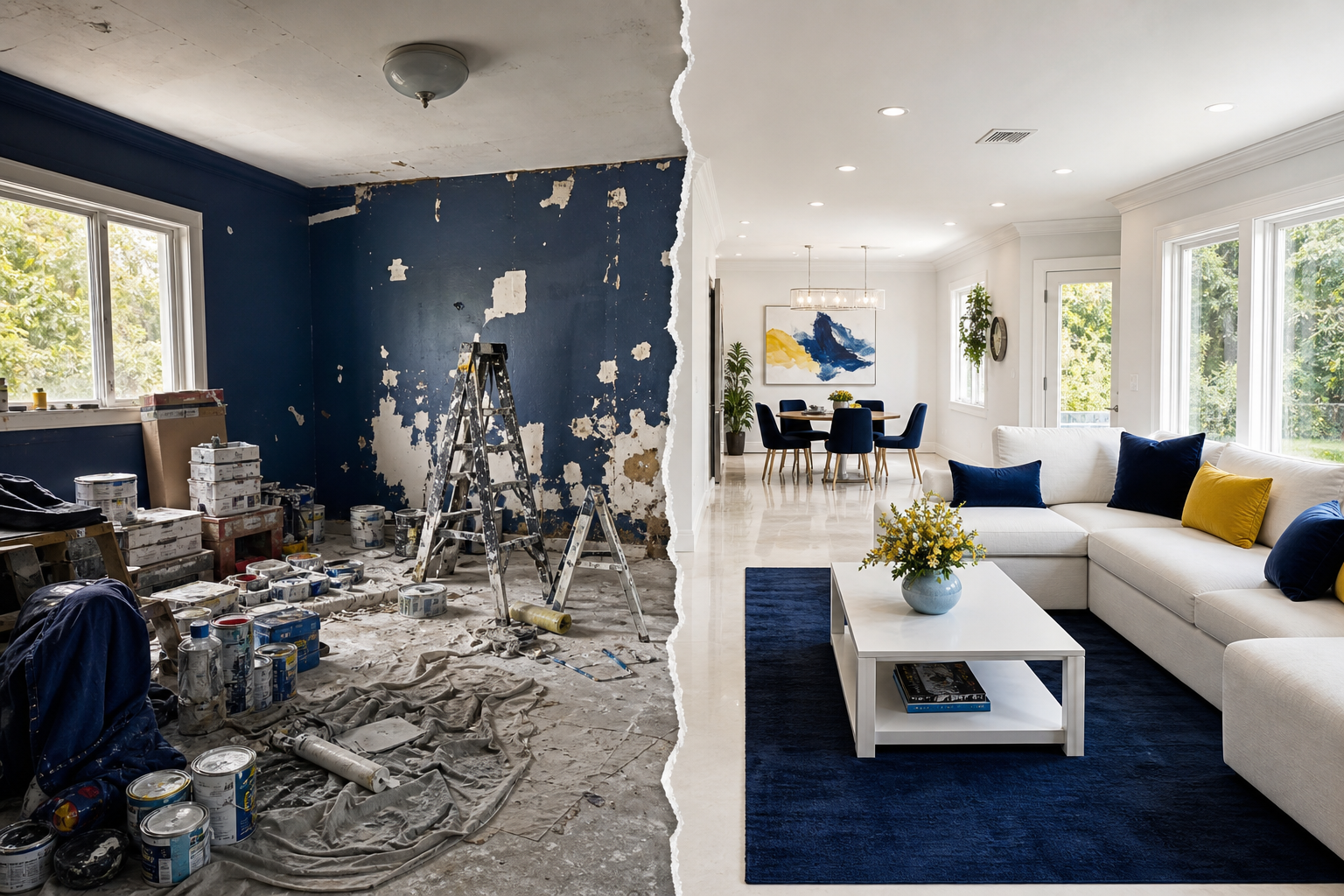
Hiring the wrong painter in South Florida is not just a minor inconvenience. It can mean peeling walls after the first rainy season, voided warranties, and repair costs that far exceed what you would have paid a qualified professional from the start. The stakes are genuinely high here, and your home or commercial property deserves better than a gamble.
This guide walks you through exactly how to evaluate, vet, and hire professional painters in Miami and the surrounding South Florida area. Each step is practical, specific, and built around the realities of this climate and market. By the end, you will know precisely what to look for, what to ask, and what red flags to avoid.
Why Professional Painters in South Florida Are Different from the Rest
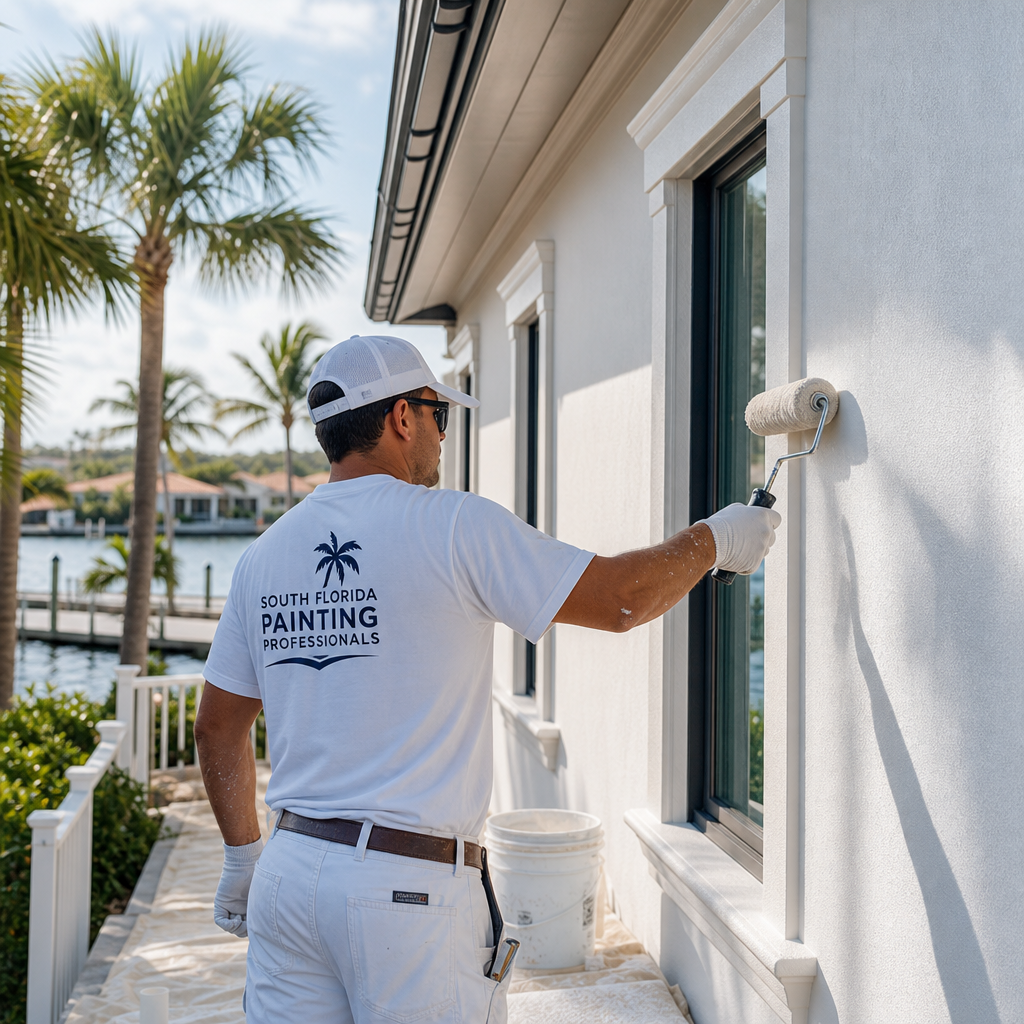
South Florida does not operate like the rest of the country. The combination of intense UV exposure, hurricane-season humidity, salt air, and tropical rainfall creates conditions that punish substandard paint work within months, not years.
Professional painters who operate in this region need to understand more than just color theory and brush technique. They need to know which coatings hold up against salt air corrosion. They need to understand how moisture infiltration works in Miami Springs and similar coastal neighborhoods. They need to select primers and topcoats that expand and contract with South Florida’s temperature swings without cracking.
This is why experience in this specific region matters so much. A contractor who has spent years working in a dry climate will not automatically translate that skill set to a South Florida exterior. Local expertise is not a bonus. It is a baseline requirement.
Step 1: Confirm Credentials Before Anything Else
Do not skip this step. It protects you legally and financially.
Before you discuss pricing, timelines, or color swatches, verify the following:
- State Contractor License: Florida requires painting contractors to hold a valid license issued by the Florida Department of Business and Professional Regulation. Ask for the license number and verify it directly.
- General Liability Insurance: This covers damage to your property during the project. A minimum of $1 million in coverage is standard for professional work.
- Workers’ Compensation Insurance: If a worker is injured on your property and the contractor lacks this coverage, you could be held liable.
- Bonding: A surety bond protects you if the contractor fails to complete the job or causes damage they refuse to cover.
If a painter hesitates to provide any of these, that hesitation tells you everything you need to know. For a deeper breakdown of what these credentials mean and why each one matters, verifying licensing, insurance, and bonding before discussing price is covered in detail in our commercial painting hiring guide.
Step 2: Understand the Difference Between Residential and Commercial Scope
Not every painter who does excellent residential work is equipped to handle commercial projects, and vice versa. Knowing which category your project falls into helps you filter your options immediately.
Here is a simple breakdown of the key differences:
| Factor | Residential Painting | Commercial Painting |
|---|---|---|
| Project Scale | Single home or unit | Multi-unit, retail, office, industrial |
| Scheduling | Flexible | Often nights, weekends, or phased |
| Surface Complexity | Drywall, wood, stucco | Concrete, metal, high-traffic surfaces |
| Coating Requirements | Standard latex or premium exterior | Specialty coatings, epoxy, waterproofing |
| Crew Size | Small team | Larger crews with project managers |
| Permit Needs | Rare | Common for large-scale work |
If your project involves a commercial building, a multi-unit residential complex, or a property that requires waterproofing alongside painting, you need a contractor with verified commercial experience. The full breakdown of commercial painting in South Florida explains what separates commercial-grade work from standard residential services.
Step 3: Evaluate Their Knowledge of South Florida Materials

This is where you separate the truly qualified professionals from those who simply own a paint sprayer.
Ask direct questions during your consultation. Their answers will reveal their depth of knowledge quickly.
Ask them:
- What exterior coating systems do you recommend for homes near the coast, and why?
- How do you handle surface preparation on stucco that has existing moisture damage?
- What primer do you use before applying a topcoat in high-humidity conditions?
- Which products are rated for hurricane-season wind and rain exposure?
A professional painter operating in Miami should be able to answer these questions without hesitation. According to the Painting Contractors Association, proper surface preparation accounts for up to 80 percent of a paint job’s longevity. If a contractor rushes past prep work to get to the topcoat faster, the finished product will fail prematurely regardless of the paint brand used.
Step 4: Review Their Portfolio With a Critical Eye
A portfolio is more than a collection of pretty photos. It is evidence of consistency, range, and attention to detail.
When reviewing a contractor’s past work, look for:
- Exterior projects in coastal or high-humidity environments: These are the most demanding conditions and the most relevant to your property.
- Clean lines and consistent coverage: Uneven edges or visible lap marks indicate rushed or unskilled application.
- Before-and-after documentation: This shows the full scope of their preparation and finishing process, not just the final result.
- Projects similar in scope to yours: A contractor who has only painted single-story bungalows may not be the right fit for a multi-story commercial building.
Ask for references from past clients in Miami or Miami Springs specifically. A quick phone call to a previous customer can confirm whether the contractor communicated well, stayed on schedule, and delivered what they promised.
Step 5: Get Multiple Written Estimates and Know What to Compare
Collecting multiple estimates is standard advice. Knowing how to read those estimates is where most homeowners fall short.
A professional estimate should include:
- Itemized labor costs broken down by area or surface type
- Specific product names, brands, and number of coats
- Surface preparation methodology (power washing, sanding, priming)
- Project timeline with start and completion dates
- Payment schedule and deposit terms
- Warranty information for both labor and materials
The lowest bid is rarely the best value. A contractor who skips primer, applies one coat instead of two, or uses a builder-grade paint to cut costs will deliver a result that degrades within a single South Florida rainy season. Understanding what separates a quality estimate from a lowball one is essential. Our guide on what you’re actually comparing when reviewing painting quotes breaks this down in practical terms.
Step 6: Discuss the Timeline and Communication Process

A professional painter respects your time and your property. They communicate clearly before, during, and after the project.
Before signing any contract, establish:
- Who is your primary point of contact? Is it the owner, a project manager, or a crew lead?
- How will changes or unexpected issues be communicated? In writing, by phone, or in person?
- What is the daily work schedule? What hours will the crew be on site?
- How will your property be protected? Furniture, landscaping, driveways, and windows should all be addressed.
According to the Better Business Bureau, communication failures are among the most common complaints filed against painting contractors. A company that is difficult to reach before the project starts will not suddenly become responsive once your deposit clears.
What Does a Fair Price for Professional Painters in South Florida Look Like?
Pricing varies based on square footage, surface condition, product selection, and project complexity. That said, there are general benchmarks worth knowing.
- Exterior residential painting in South Florida typically ranges from $2.50 to $4.50 per square foot for a quality finish with proper prep.
- Interior painting generally runs between $1.50 and $3.50 per square foot depending on ceiling height and surface complexity.
- Commercial projects are priced by scope and often include additional costs for specialty coatings, equipment rentals, and phased scheduling.
These figures are not guarantees. They are starting points for evaluating whether a bid is reasonable or suspiciously low.
Conclusion
Hiring professional painters in Miami and South Florida is not a decision to rush. The climate here demands quality materials, experienced application, and a contractor who genuinely understands the local environment. When you take the time to verify credentials, ask the right questions, and compare estimates carefully, you protect your investment and get results that last through hurricane season and beyond.
González Painting and Waterproofing Inc. has served homeowners and commercial clients across South Florida with the combination of technical expertise and local knowledge this region demands. If you are ready to move forward with a project or simply want a professional assessment of your property’s current condition, reach out to our team today. We are here to give you straightforward answers, not a sales pitch.